


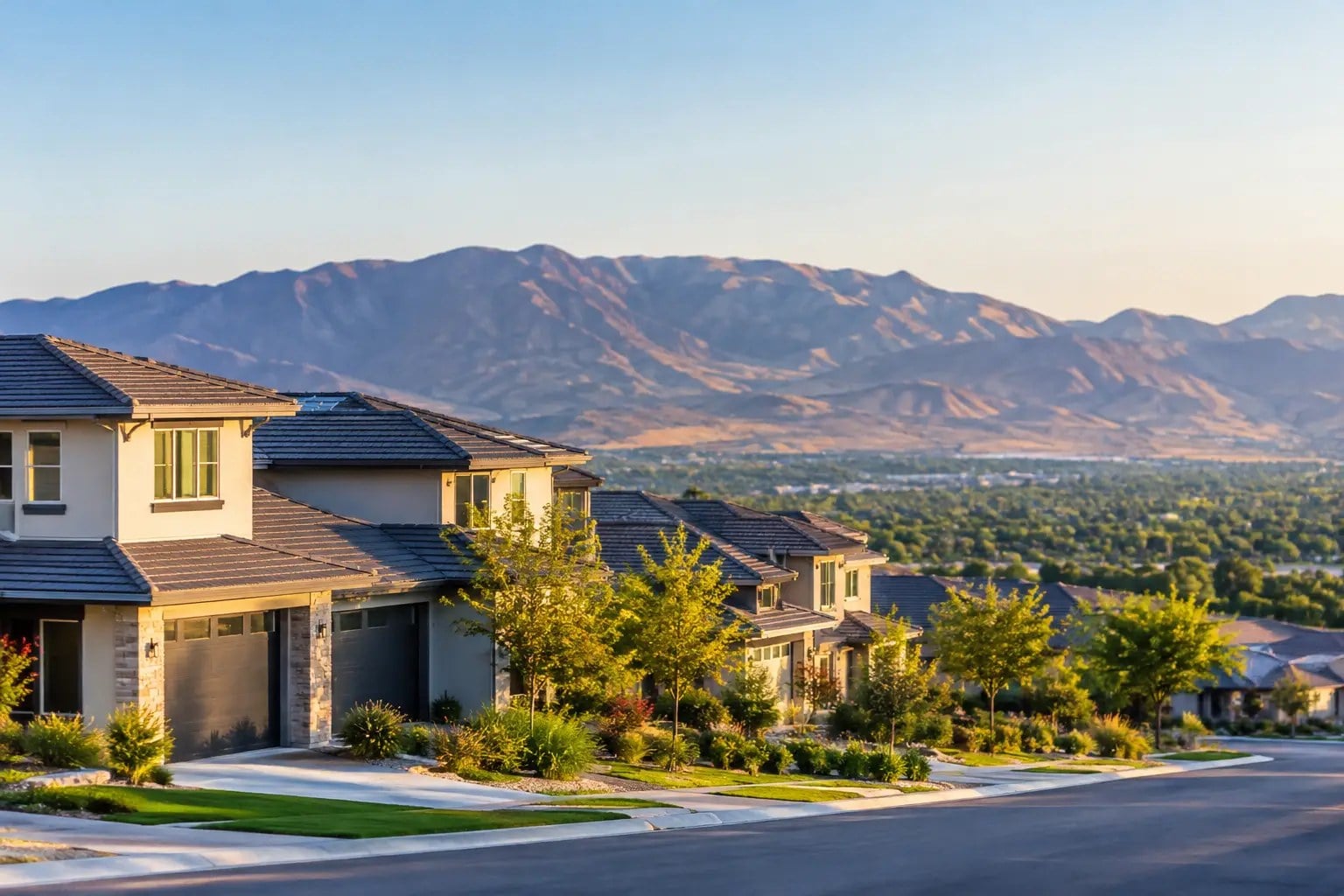
A home that checks the right boxes in the West Valley can still attract attention quickly, even when buyers have more choices than they did a few years ago. West Valley housing demand trends are not moving in one direction across every neighborhood or price point. Demand for a move-in-ready home in Surprise may look very different from demand for a larger new-build property in Waddell, an active-adult home, or an entry-level townhouse in Glendale.
For buyers, sellers, and investors, the useful question is not simply whether the market is hot or slow. It is where demand is strongest, what buyers are willing to pay for, and how much competition a particular property is likely to face.
Why West Valley demand remains location-specific
The West Valley appeals to a broad mix of buyers. Some are looking for more square footage and newer communities than they can find closer to central Phoenix. Others are relocating for work, seeking a lock-and-leave home, or moving into an active-adult community. Affordability relative to many nearby markets remains part of the story, but price alone does not create demand.
Commute patterns, school preferences, community amenities, freeway access, lot size, age of the home, and proximity to shopping all affect how a listing performs. A house near the amenities buyers use every week can draw more interest than a similar property priced slightly lower in a less convenient location. That is why broad metro headlines are a starting point, not a pricing strategy.
Surprise, Peoria, Goodyear, Litchfield Park, Buckeye, and Waddell also have different mixes of resale homes, new construction, and planned communities. Buyers comparing these areas often make decisions based on monthly payment, home condition, and lifestyle fit rather than city boundaries alone.
The West Valley housing demand trends that matter most
Inventory and mortgage rates shape the pace of the market, but buyer behavior determines which homes move first. When rates rise or affordability tightens, buyers tend to become more selective. They may still act fast on a clean, accurately priced home with a practical layout, but they are less likely to overlook deferred maintenance, an outdated kitchen, or an ambitious asking price.
This creates a split market. Well-prepared homes can receive strong showing activity shortly after they come on the market. Properties that need significant work or are priced ahead of recent comparable sales may sit longer and require a price adjustment. More inventory gives buyers room to compare, yet it does not erase demand for homes that are positioned correctly.
Move-in-ready condition carries real value
Many buyers are managing higher borrowing costs, moving expenses, and the time pressure of a relocation or lease ending. A home with maintained systems, neutral presentation, and clear disclosures can feel less risky than one that needs immediate projects. Sellers do not need to renovate every room, but they should address obvious repair items and understand which updates are common among competing listings.
For buyers, this premium is worth evaluating carefully. Paying more for a turnkey home can make sense if the alternative requires costly work right away. On the other hand, a dated property with sound structure and a realistic price may offer a better path to equity for a buyer willing to improve it over time.
New construction changes the comparison set
New home communities influence demand throughout the West Valley, especially in growth areas such as Buckeye, Waddell, and parts of Surprise and Goodyear. Builders may offer rate incentives, closing-cost assistance, or design features that make a new home appear more affordable on a monthly-payment basis than a resale listing.
That does not mean resale homes cannot compete. Established neighborhoods can offer mature landscaping, completed amenities, larger lots, and locations closer to existing shopping and employment centers. Sellers competing with new construction should compare the full buyer experience, including incentives, lot premiums, HOA costs, appliance packages, and estimated completion dates. A resale home should be priced and marketed against the actual alternatives a buyer can purchase, not just nearby closed sales.
Price bands do not behave the same way
Entry-level and mid-range homes often have the deepest buyer pool because they appeal to first-time buyers, move-up households, and investors. Still, payment sensitivity is high in these segments. A modest change in interest rates, insurance costs, or HOA dues can affect how many buyers qualify.
Higher-priced homes can take longer to sell because the buyer pool is smaller, but they are not automatically weak. Demand remains for homes with a compelling combination of location, lot, floor plan, views, upgrades, or community access. The trade-off is that luxury and upper-range buyers are usually better informed and have more time to compare options. Accurate pricing and polished presentation matter even more.
Active-adult communities represent another distinct segment. Amenities, monthly fees, age restrictions, golf access, and lock-and-leave convenience can be as important as bedroom count. Comparing an active-adult property to a conventional neighborhood home without accounting for those differences can lead to the wrong value conclusion.
What buyers should watch before making an offer
Buyers should monitor new listings, price changes, pending sales, and recent closed properties in the specific neighborhoods they are considering. Active listings show the competition. Pending and sold homes offer a better read on where buyers have actually committed.
Days on market can help, but it needs context. A home that has been listed for several weeks may be overpriced, or it may simply appeal to a narrower buyer. Likewise, a property that goes pending quickly may have been priced strategically rather than indicating that every home in the area will receive multiple offers.
A current MLS-connected search is especially useful in a market where the best opportunities can be listed and under contract quickly. Set alerts for the property type, budget, bedroom count, and areas that fit your plan. Then review each new listing against your must-haves before assuming it is a bargain or a missed opportunity.
What sellers should do when demand is selective
A seller’s first task is to identify the home’s real competition. That includes similar active listings, recent sales, and, in many West Valley communities, nearby builder inventory. An online estimate can provide a starting point, but it cannot fully account for condition, upgrades, lot placement, view corridors, or the way a particular floor plan is performing.
Preparation should focus on the items buyers notice first: curb appeal, cleanliness, lighting, repair issues, and rooms that feel crowded or dated. The goal is not to make a home look generic. It is to make the value easy to understand during a short showing.
Pricing is where many listings lose momentum. A high starting price may seem like room to negotiate, but it can reduce early interest from buyers whose search filters exclude the home. The first weeks on market are when a listing is newest to active buyers and agents. A price supported by current neighborhood evidence gives the property its best chance to capture that attention.
Investors should separate rental demand from resale demand
Investor interest in the West Valley depends on more than purchase price. Rental demand, expected rent, vacancy risk, HOA restrictions, property taxes, maintenance exposure, and financing all affect whether a property works as an investment. A neighborhood with strong owner-occupant resale demand may be a sound long-term choice, but its numbers still need to support the investment plan.
Single-family homes, townhomes, and condos can produce different operating costs and tenant pools. Before making an offer, review community rules and compare realistic rents for similar, recently leased properties. A property that looks inexpensive may require repairs or carry fees that narrow the return.
Use timely data, then make a property-level decision
West Valley housing demand trends provide useful direction, but a real estate decision happens one property at a time. A buyer may find strong value in a home that has been overlooked because of presentation. A seller may get better results by competing on condition and pricing rather than waiting for a broader market shift.
Use current listing activity to narrow the field, compare the homes buyers can choose from right now, and move when the numbers and lifestyle fit are right. A saved search with fast alerts and a realistic view of local competition can turn market information into a better decision before the right property is gone.