


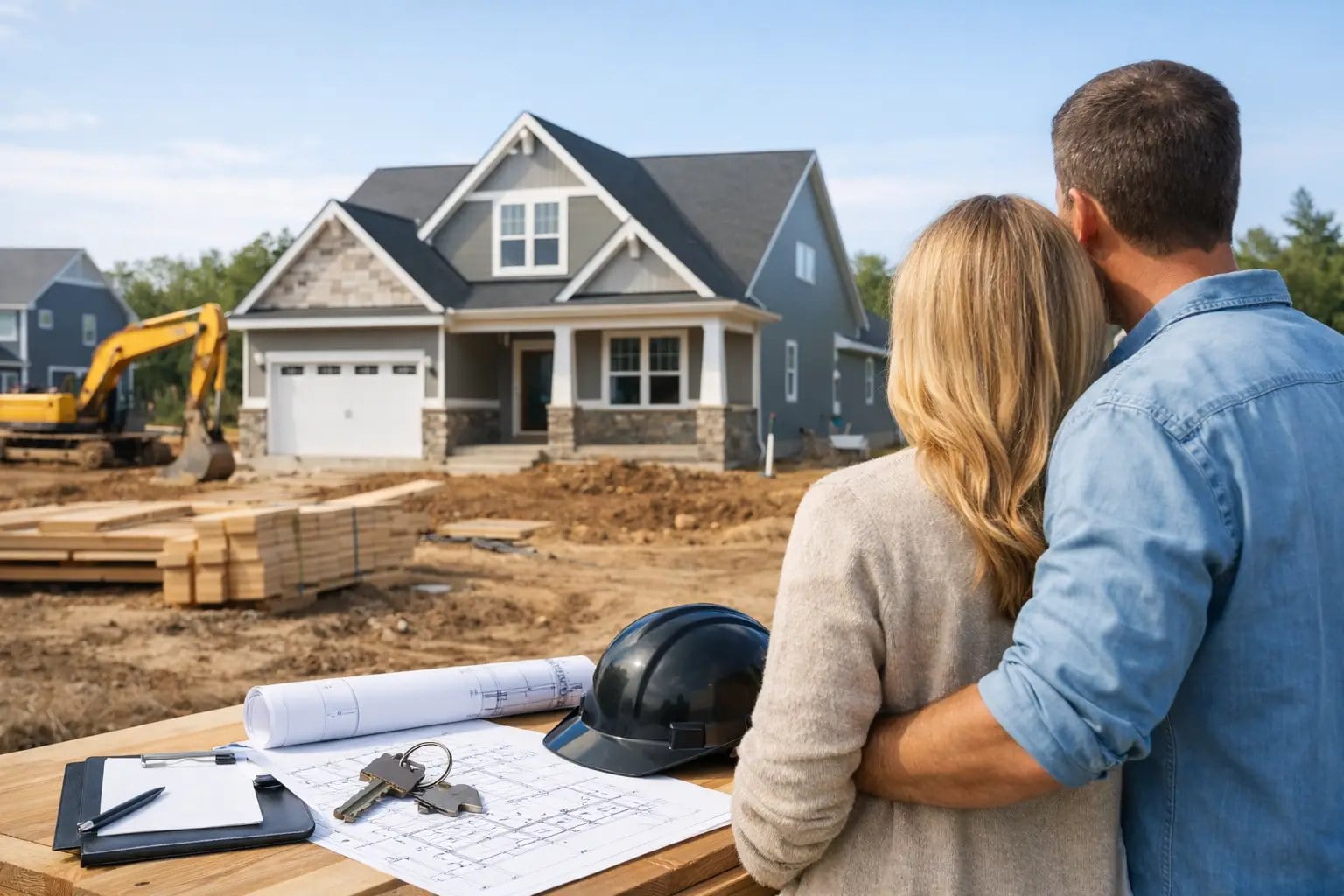
A new home in Waddell can offer the space many West Valley buyers want: larger lots, newer floor plans, energy-conscious features, and access to the growing areas near the White Tank Mountains. But Waddell new construction is not a one-price, one-timeline purchase. The base price on a builder sign is only the starting point. Your lot, design choices, financing terms, and move-in date can change the real cost and value of the home.
For buyers relocating to Arizona, moving up from an older home, or purchasing their first property, the best approach is to compare new-build options with the same care used for resale homes. That means looking beyond model-home finishes and asking clear questions before signing a contract.
Why Waddell New Construction Draws Buyers
Waddell appeals to buyers who want a newer home without being in the center of Phoenix. The area has continued to attract development as the West Valley expands, with convenient access to Loop 303 and nearby shopping, employment centers, schools, and recreation. Views of the White Tank Mountains and the availability of newer planned communities are also part of the appeal.
New construction can be especially attractive when buyers want a home designed for how they live now. Open kitchens, larger primary suites, flexible dens, multi-generational layouts, three-car garages, and covered patios are common priorities. A newer home may also include current building standards, modern insulation, efficient windows, and smart-home options that are harder or more expensive to add to an older property.
That said, new does not automatically mean better for every buyer. A resale home may offer a finished backyard, mature landscaping, window coverings, appliances, a shorter closing timeline, and a more established neighborhood. The right choice depends on whether you place more value on customization and lower near-term maintenance or on a finished setting and immediate move-in.
Start With the Full Price, Not the Base Price
The advertised starting price is useful for identifying a community within your budget, but it rarely reflects the final number. Builders price homes based on a specific plan and often a limited selection of standard features. A premium lot, structural changes, upgraded flooring, cabinets, countertops, electrical packages, and landscaping can move the price quickly.
Ask for a written breakdown that separates the base home, lot premium, structural options, design-center selections, incentives, estimated closing costs, and any required community or amenity fees. This makes it easier to compare two homes that may look similarly priced online but have very different final totals.
The lot deserves careful attention. A larger lot, a corner location, a view fence, a greenbelt position, or added privacy may justify a premium for some buyers. For others, that premium may not create enough day-to-day benefit to be worthwhile. Check what sits behind and beside the homesite, including future phases, drainage areas, roads, utility infrastructure, and commercial development. The model-home view is not always the view your selected lot will have after the community is complete.
Also account for expenses that may come after closing. In a newly built neighborhood, you may need to budget for a backyard, window treatments, ceiling fans, storage, security equipment, and landscaping. Arizona yards can range from simple gravel and desert plants to a pool and outdoor kitchen, with a major difference in cost and timing.
Choose a Builder and Community With a Clear Process
Builder reputation matters, but so does the specific community, floor plan, construction stage, and sales team. Large production builders often provide predictable systems, established design options, and a choice of quick move-in homes. Smaller or semi-custom builders may provide more flexibility, though timelines and pricing can vary more.
Before committing, review the included-features sheet rather than relying on a furnished model. Model homes commonly display upgrades that are not in the base price. Ask which appliances, lighting fixtures, flooring, garage features, landscaping elements, and technology packages are included in your selected home.
You should also understand the difference between a to-be-built home and an inventory home. A to-be-built property can offer more personalization, but it may take many months to complete and can involve decisions at several stages. A quick move-in or spec home is already under construction or complete, which can make the price and timing more defined. It may also include upgrades chosen by the builder, sometimes at a value compared with selecting them individually.
Neither option is automatically the better deal. If you need to coordinate a job transfer, lease expiration, or sale of your current home, a defined closing date may be more valuable than extra customization. If your schedule is flexible and the home will be a long-term fit, building from the ground up may be worth the wait.
Read the Contract Differently Than a Resale Contract
Builder contracts are typically written for the builder and may differ substantially from a standard Arizona resale purchase contract. They can address construction delays, deposits, change orders, inspection access, closing procedures, and remedies if either party cannot perform.
Do not rush through the agreement because the home is new. Review deadlines, deposit terms, the estimated completion date, what happens if the timeline changes, and the conditions tied to financing approval. Confirm which features are guaranteed in writing and which are represented only in a brochure, model, or verbal discussion.
Working with your own real estate agent from the first visit can help you compare builder terms, community options, and competing homes. Builder sales representatives are knowledgeable about their inventory, but they represent the builder’s interests. Your agent can provide buyer-focused guidance during negotiations, inspections, and the final walkthrough.
Financing Incentives Need a Side-by-Side Comparison
Many builders offer incentives that may be tied to using a preferred lender or title company. These can include closing-cost help, rate buydowns, design-center credits, or price reductions. An incentive can be valuable, particularly when it lowers upfront cash needs, but it should be evaluated against the complete loan terms.
Compare the interest rate, annual percentage rate, lender fees, points, monthly payment, and cash required at closing with at least one outside financing option. A larger builder credit does not always produce the lowest long-term borrowing cost. It may, however, make sense if the rate, fees, and closing support are competitive and you prefer a straightforward process.
Preapproval remains essential even when buying a new build. It gives you a clear payment range before you choose a floor plan and helps prevent a common mistake: falling in love with upgrades that push the final price beyond a comfortable monthly budget. Include property taxes, homeowners association dues, insurance, and potential special assessments in that calculation.
Inspections Still Matter on a Brand-New Home
A new home comes with builder warranties, but a warranty is not a substitute for an independent inspection. Construction involves many trades and many steps. Small items can be missed, and identifying them before closing is usually easier than trying to schedule repairs after move-in.
Consider a professional inspection before your final walkthrough and, when appropriate, another inspection before the builder warranty period expires. An inspector can identify concerns involving roofing, plumbing, electrical work, grading, HVAC operation, and finish details. The goal is not to expect a perfect home. It is to document issues clearly and give the builder an opportunity to address them.
Your final walkthrough should be methodical. Test doors, windows, appliances, faucets, outlets, switches, garage doors, and cooling systems. Review paint, flooring, cabinets, counters, and tile in natural light. Keep a written list of agreed repairs and confirm how and when they will be completed.
Think About the First Five Years
Buyers often focus on the move-in date, but a good purchase should also fit the next stage of life. Consider whether the floor plan will work if your household grows, if you begin working from home, or if aging relatives visit for extended periods. Garage capacity, storage, yard maintenance, school needs, and commuting routes all affect long-term satisfaction.
Resale potential matters too. Features with broad buyer appeal generally include a functional layout, adequate bedrooms, usable outdoor space, efficient systems, and a desirable lot position. Highly personal upgrades can improve your enjoyment, but not every expensive selection returns its full cost when you sell.
Use current MLS information to compare new homes with nearby resale properties of similar size, condition, and location. This gives you a more realistic picture of what buyers are paying in the area and prevents the builder model from becoming your only reference point. Arizona Real Estate and Homes can help you monitor current listings, price changes, and recent sales while you evaluate your options.
The strongest Waddell purchase is usually not the home with the most upgrades. It is the one that matches your payment comfort level, timeline, daily routine, and future plans – with the lot, contract terms, and final price understood before you sign.